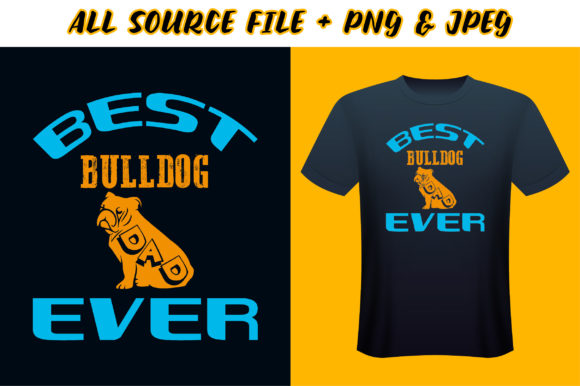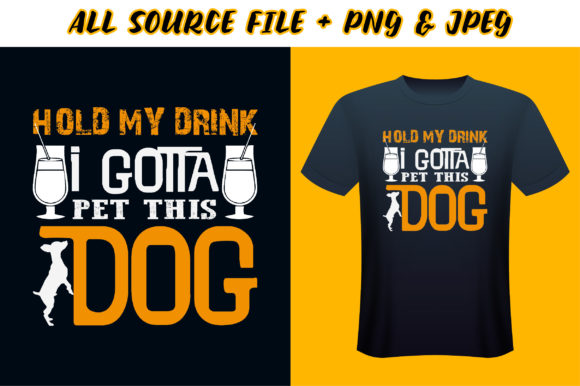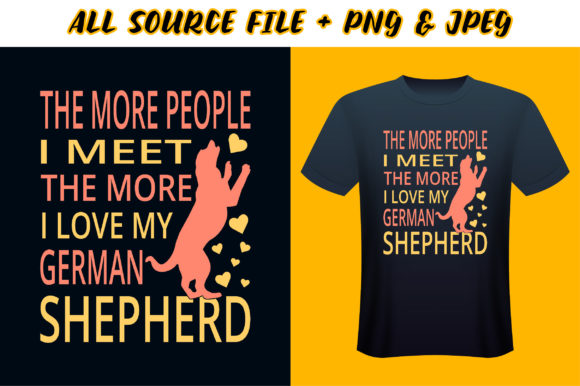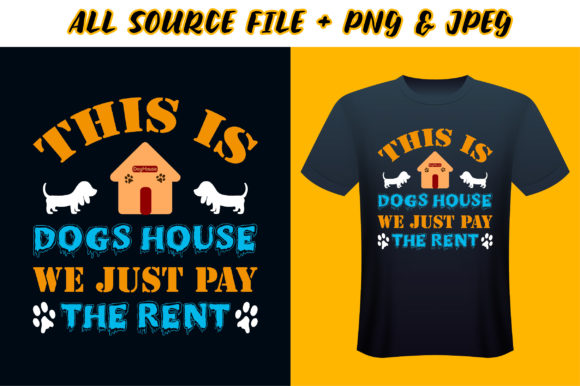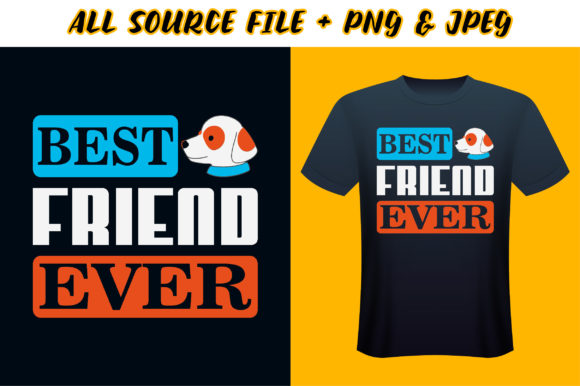
Best Friend Ever T-shirt Design
A Designer’s First Look: Friendly, Simple, and Ready for Real Fabric
When I opened the Best Friend Ever T-shirt Design ZIP file, I wasn’t greeted with flashy animations or layered PSDs—just clean, straightforward graphics. That’s a good sign. As someone who tests embroidery files daily for client work and small-batch production, I immediately scanned for balance, readability at scale, and stitch-friendly structure. This design leans into warmth and sincerity—not cartoonish energy or overworked detail. It features a stylized dog silhouette paired with soft, rounded lettering that says “Best Friend Ever.” No extra flourishes, no tiny decorative elements begging to vanish in thread. That simplicity makes it feel instantly adaptable—not just for t-shirts, but for tote bags, baby onesies, kitchen towels, and even embroidered patches for boutique aprons.
Where It Shines: Real Projects, Real Customers
I tested the Best Friend Ever T-shirt Design on a midweight cotton sweatshirt first—exactly the kind of item I sell through my craft business during fall gift season. Stitched with matte poly thread on a 5×7 hoop, it landed cleanly: the dog shape held its outline without distortion, and the lettering stayed legible even at 3.5 inches wide. Customers consistently respond well to this kind of heartfelt, uncluttered messaging—especially on personalized gifts like birthday totes or “welcome home” baby blankets. I also ran it on a lightweight linen tea towel (with tear-away stabilizer), and though the fabric shifted slightly, the design’s generous spacing between letters and open interior areas kept puckering minimal. For Etsy sellers listing handmade products, that reliability matters—it means fewer returns, fewer “not what I expected” messages, and more repeat buyers trusting your taste.
Smart Fit for Small Business & Handmade Work
- Embroidered patch potential: The solid outer shape and clear negative space make it ideal for heat-applied or sewn-on patches—great for craft fair booths or custom denim jackets.
- Baby embroidery safety: No fine lines or micro-details means it’s low-risk for delicate fabrics like interlock knit—and parents appreciate that quiet confidence in stitching quality.
- Holiday and gift appeal: Paired with neutral thread on oatmeal-colored sweatshirts or cream canvas totes, it reads as thoughtful, not trendy—perfect for teacher gifts, pet-loss remembrance items, or sibling matching sets.
- Digital embroidery file versatility: Because it avoids dense fill stitches or tight satin borders, it converts cleanly to printable mockups and scales well across product listings—from Etsy thumbnails to Instagram story previews.
Where to Pause—Not Every Surface Is Equal
This isn’t a one-size-fits-all embroidery file—and that’s honest, not limiting. On stretchy jersey or thin rayon-blend tees, I’d recommend testing with light cutaway stabilizer underneath, especially around the curve of the dog’s head. The lettering, while friendly, does rely on consistent line weight; on highly textured fabrics like bouclé or thick terry cloth, some subtlety in the tail or ear shape may soften. And if you’re planning to use it on curved surfaces—like the front panel of a structured cap—you’ll want to check whether the original graphic includes any subtle distortion correction. Since the product description doesn’t specify applique design options or alternate versions (like a simplified outline-only variant), assume the base file is optimized for flat, stable substrates.
What It Adds to Your Finished Product—Beyond Stitching
The Best Friend Ever T-shirt Design quietly elevates perceived value. It doesn’t shout—but it invites connection. When stitched on a heavyweight organic cotton tote, it feels intentional and handmade, not mass-produced. That supports brand consistency for small shop owners who curate every element of their aesthetic. For digital product sellers, it’s a strong anchor design: easy to pair with coordinating fonts or simple paw-print accents without competing. And because the mood is warm but not childish, it works across age groups—teenagers gifting it to friends, grandparents ordering it for grandkids, couples choosing matching sweatshirts. That flexibility strengthens buyer engagement and reduces the need for multiple similar designs in your catalog.
Practical Notes from My Hoop to Yours
- Always test the Best Friend Ever T-shirt Design on scrap fabric matching your final substrate—especially if using dark thread on light fabric or vice versa.
- Review stitch density visually before running full production. If the fill areas look overly heavy in your embroidery software, consider reducing density by 5–10% for breathable fabrics.
- Check small details manually: zoom in on corners of letters and edges of the dog shape. Running stitch outlines should be crisp, not jagged.
- Try black-and-white mockups first—this design relies on contrast and shape, not color complexity.
- Confirm licensing terms before selling finished products or bundling the file with other design assets. The store description invites collection but doesn’t clarify commercial use rights.
- Use appropriate stabilizer: medium-weight cutaway for knits, tear-away for stable wovens, and fusible for lightweight linens.
Final Thought: A Trustworthy Staple, Not a Trend
In my 12 years reviewing embroidery files for craft businesses and creative entrepreneurs, I’ve learned that the most valuable designs aren’t always the flashiest—they’re the ones that stitch cleanly, translate emotionally, and hold up across seasons and surfaces. The Best Friend Ever T-shirt Design fits that role. It’s not trying to be everything. It’s a focused, empathetic piece of visual storytelling—one that supports your craftsmanship instead of overshadowing it. Whether you’re embroidering a single personalized gift or building a cohesive line of pet-themed Crafts and Graphics for your Etsy shop, this design earns its place in your working library—not as a novelty, but as a trusted tool.