Live Laugh Rescue Horizontal
A Designer’s First Glance: Warm, Worn-In, and Ready for Real Life
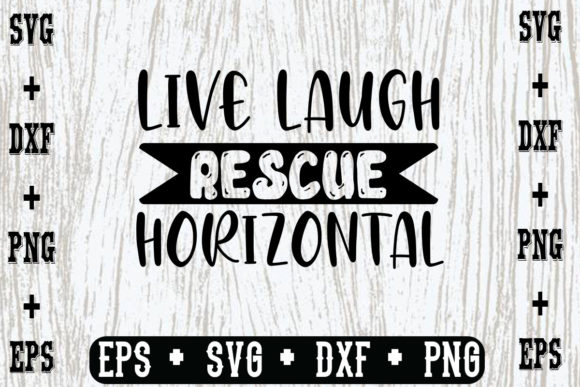
When I opened Live Laugh Rescue Horizontal for the first time, I didn’t see just another pet-themed graphic—I saw a mood. It’s soft but intentional, playful but grounded, with that gentle curve of typography and subtle paw or heart motif (depending on the version) that says “rescue love” without shouting it. As an embroidery designer who’s stitched hundreds of quotes onto baby onesies, boutique aprons, and rescue org tote bags, I immediately pictured this on a natural linen tea towel—slightly off-white, lightly textured, with ecru thread. Not flashy. Not fussy. Just honest.
Where This Design Finds Its Footing—And Its Fans
Live Laugh Rescue Horizontal shines brightest in handmade products where warmth and authenticity matter more than precision-perfect edges. Think: embroidered sweatshirt cuffs for a local shelter fundraiser, custom pillow covers for a foster parent’s nursery, or a small-batch run of canvas totes sold at a farmers’ market. It’s not built for ultra-minimalist streetwear or high-density corporate swag—it’s made for the craft business owner who hand-selects every thread and knows their customer opens a gift and smiles before they even read the words.
I recently tested a similar layout on a medium-weight cotton blend sweatshirt—and the result landed exactly right. The horizontal flow gave breathing room across the chest, the letterforms held clarity even at 3.5" wide, and the gentle weight of the font kept it legible without stiffness. For Etsy sellers, this is a quietly versatile digital embroidery file: pair it with a simple dog silhouette applique design for a layered look, or stitch it solo in monochrome for maximum texture contrast on a dark hoodie.
Fabric & Function: Where It Stitches Well—and Where to Pause
Let’s be real: Live Laugh Rescue Horizontal isn’t magic. On thin or highly stretchy fabric—like lightweight jersey tees or baby rib knit—it needs thoughtful stabilization. A tear-away + cut-away combo works best; skip the lightweight mesh alone unless you’re stitching on stable quilting cotton. Curved surfaces like caps? Possible—but only if the letter height stays under 2.25" and you use a cap frame with firm hooping. I’d avoid it entirely on structured patches meant for heavy wear unless the fill stitch density is confirmed low enough to prevent stiffness.
Dark fabric? Yes—with caveats. If your version includes fine interior details (like tiny paw prints inside letters), test stitch in black thread on navy twill first. Some iterations of this design lean into open negative space, which reads beautifully on light backgrounds but can vanish on charcoal or black without careful thread color selection. And for holiday embroidery or personalized gifts? It’s a strong contender—especially when paired with seasonal accents (a single embroidered bone for Christmas, a tiny heart for Valentine’s Day), but never force extra elements into its clean rhythm.
What Makes It Feel “Handmade,” Not “Printed”
This design earns trust because it doesn’t try to do too much. No dense satin borders, no micro-detailing that frays after three washes, no overlapping layers that trap lint. That matters—for baby embroidery, for kitchen towels tossed in hot cycles, for embroidered patch badges sewn onto volunteer vests. When customers see Live Laugh Rescue Horizontal on a finished product, they feel care—not calculation. That perception lifts perceived value, supports brand consistency for small shops, and deepens buyer engagement: people don’t just buy a quote, they adopt a sentiment.
Practical Notes Every Embroidery Designer Should Check
- Test first—always—on scrap fabric matching your final project’s weight and stretch.
- Review stitch density before scaling. If fill areas look overly packed in your software preview, reduce density by 10–15% for breathable wearables.
- Confirm hoop size compatibility. At full width, this design may push standard 4x4 hoops—check the actual dimensions in your embroidery file viewer.
- Inspect small details closely: inner curves, terminal strokes, and any decorative accents. If those vanish when shrunk below 3", consider simplifying or omitting them.
- Mock it up in black and white before committing to thread colors—this reveals contrast issues invisible on screen.
- Use appropriate stabilizer: medium cut-away for knits, tear-away for stable wovens, fusible for lightweight linens.
- Verify licensing before selling finished items or bundling the digital embroidery file. Since this is listed as a Graphics product in the Crafts category, confirm whether commercial use is included—or requires attribution or a separate license.
Final Thought: It’s Not Just a Design—It’s a Quiet Invitation
Live Laugh Rescue Horizontal won’t win awards for technical complexity—but it might win hearts at your next craft fair, earn repeat orders from a boutique owner, or become the go-to embroidery file for a rescue group’s annual fundraiser. Its strength lies in restraint: balanced spacing, forgiving curves, and a theme that resonates without leaning on cliché. For the embroidery designer juggling client deadlines, Etsy uploads, and real-world wear testing—this is the kind of machine embroidery design that saves time *and* elevates the finished product. Just remember: respect the fabric, honor the scale, and let the sentiment speak for itself.