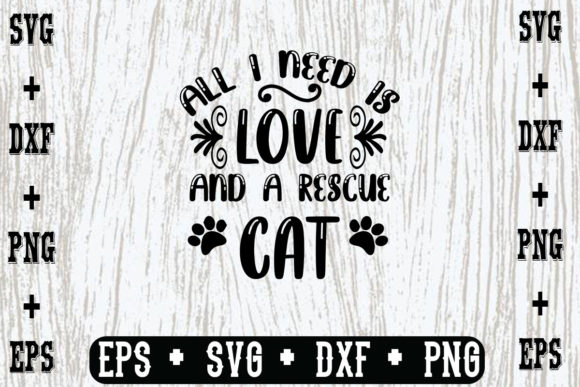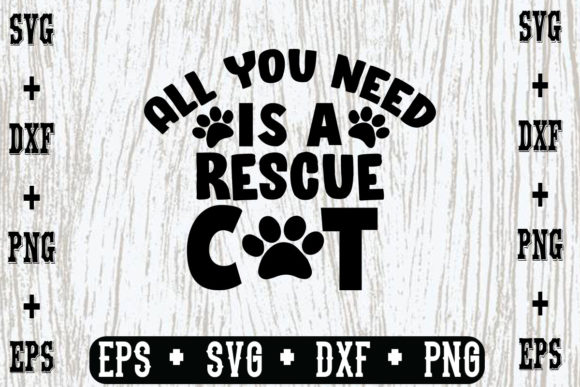
All You Need is a Rescue Cat
A Designer’s First Glance: Warm, Witty, and Worthy of Stitching
When All You Need is a Rescue Cat landed in my inbox, I paused mid-coffee sip—not because it’s flashy, but because it *feels* like something real people would actually stitch, wear, and gift. It’s not overly cutesy or cartoonish; it leans into quiet sincerity with clean lines, balanced spacing, and that gentle, knowing humor rescue pet lovers recognize instantly. As a designer who’s stitched hundreds of pet-themed embroidery files for clients—from boutique baby onesies to Etsy shop merch—I immediately pictured this on a natural linen tea towel, a charcoal sweatshirt, or a cream-colored tote bag. The phrase itself carries warmth and conviction, and the layout supports readability at medium-to-large hoop sizes without crowding.
Where This Design Truly Shines in Real Projects
I recently prepped All You Need is a Rescue Cat for a custom order: a set of embroidered kitchen towels for a local cat rescue’s holiday fundraiser. We chose lightweight cotton terry—soft but stable—and used medium-weight tear-away stabilizer. The result? Crisp lettering, smooth satin-stitched curves (especially around “Rescue”), and no puckering or thread nesting. That tells me this machine embroidery design holds up well on everyday fabrics you’d use for handmade products meant to be used, not just displayed.
It works especially well for:
- Custom apparel—sweatshirts, crewnecks, and relaxed-fit tees where the phrase reads clearly across the chest or back
- Embroidered patches—the clean outline and moderate detail make it ideal for sew-on or iron-on versions
- Baby embroidery—on burp cloths, bibs, or nursery pillows, its gentle tone feels nurturing, not kitschy
- Holiday embroidery—think personalized stockings or gift tags for pet-loving friends
- Small shop product—it adds instant personality to aprons, pillow covers, or canvas market bags without overwhelming the item
For Etsy sellers and craft business owners, this isn’t just another graphic—it’s a ready-made brand voice. Customers respond to authenticity, and All You Need is a Rescue Cat delivers that in thread.
Where to Proceed Thoughtfully
This isn’t a one-size-fits-all embroidery file—and that’s a good thing. Its charm lies in intentionality, not universality. Here’s where I recommend extra attention:
- Small hoop sizes: Below 4" x 4", the letter spacing tightens and fine details (like subtle curve endings in “Cat”) risk blurring. Stick to 5" x 7" or larger for best clarity.
- Textured or stretchy fabric: On jersey or slubbed linen, stabilize generously—cut-away under the hoop helps prevent distortion in the fill stitch areas.
- Dark fabric: The design relies on legibility through contrast. Test thread colors carefully—cream or heather gray thread on navy can read softly unless density is adjusted.
- Curved surfaces: Caps or curved tote handles may require repositioning or slight scaling to keep proportions natural. A printable mockup helps visualize placement before stitching.
- Frequent-wash items: Like all machine embroidery designs, durability depends on stitch density and stabilizer choice. Confirm the file uses balanced fill stitch—not overly dense, not too sparse—for long-term wear.
What It Adds to Your Finished Product—Beyond the Thread
Using All You Need is a Rescue Cat does more than decorate—it deepens connection. On a personalized gift, it signals shared values. On a small shop product, it quietly reinforces brand empathy. For an embroidery project meant for sale, it elevates perceived value: customers don’t just buy a tote bag; they buy a statement piece with heart.
I’ve watched buyers linger over this phrase at craft fairs—smiling, nodding, sometimes sharing their own rescue story. That kind of engagement doesn’t come from complexity; it comes from resonance. And that’s rare in digital embroidery files.
Practical Notes Every Embroidery Designer Should Run Through
Before stitching your first All You Need is a Rescue Cat project, here’s what I do—every time:
- Test on scrap fabric matching your final material and stabilizer combo
- Check thread color contrast in both natural and artificial light—what reads well on screen may fade on dark denim
- Review stitch density in the software preview—look for any unusually heavy fill areas that could cause stiffness or bulk
- Confirm hoop size compatibility with your machine and intended garment placement
- Inspect corners and curves at 200% zoom—tiny gaps or overlapping stitches are easier to catch digitally than in thread
- Test black-and-white mockups to gauge visual weight and balance without color distraction
- Use proper stabilizer—especially for lightweight or knit fabrics where tension shifts easily
- Verify licensing terms before selling finished items or bundling the digital embroidery file as part of a craft business product
Remember: this is a Graphics file format bundle (SVG, PNG, DXF, EPS), designed for print-cut machines like Cricut—but for embroidery, always convert or digitize thoughtfully. If you’re using it as an applique design or trace-based embroidery layout, allow room for seam allowance and fabric shift.
Final Thought: A Quiet Anchor in a Noisy Craft Market
In a sea of trending phrases and overdesigned motifs, All You Need is a Rescue Cat stands out by staying grounded. It’s not trying to shout. It’s stitched with care, meant to be seen, felt, and lived with. Whether you’re an Etsy seller building a loyal following, a small shop owner curating meaningful merchandise, or a hobbyist making heartfelt gifts, this design earns its place—not because it’s trendy, but because it’s true. And in crafts, truth stitches deeper.