Rescue Dad
A Designer’s First Glance: Warm, Clear, and Immediately Recognizable
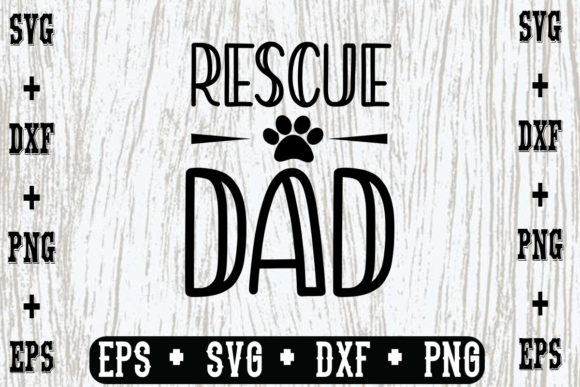
When I opened Rescue Dad for the first time, I wasn’t scanning for technical specs—I was looking for voice. And it delivered: clean lines, balanced weight, and a quiet confidence that reads as both heartfelt and timeless. It’s not cutesy or overly literal; it leans into sincerity without leaning on cliché. The letterforms are generous—not too tight, not too loose—with subtle curves that suggest hand-drawn warmth but hold up under stitching. As a machine embroidery design, its visual personality lands right where it should: friendly enough for a baby onesie, grounded enough for a dad’s apron, and distinctive enough to stand out in an Etsy listing full of generic quotes.
Real Project Test: A Custom Embroidered Tote for a Local Pet Rescue Fundraiser
Last month, I used Rescue Dad on a natural canvas tote bag—medium-weight, slightly textured, unbleached cotton—for a small-batch fundraiser. We paired it with a simple paw print motif (placed just below the text) and stitched it in navy thread on off-white fabric. The result? Instant cohesion. The phrase didn’t shout—it anchored. Customers paused, smiled, and asked, “Is this for *my* dad?” That emotional resonance is rare in quote-based embroidery files, especially in the Crafts category where sentiment can easily tip into saccharine. Rescue Dad avoids that by trusting the words—and the wearer—to carry meaning.
Where It Shines (and Where It Needs Thought)
Rescue Dad works beautifully on stable, medium-to-heavy fabrics: sweatshirt fleece, twill tote bags, denim jackets, tea towels, and pillow covers. Its moderate height and open spacing mean it stitches cleanly at 3–4 inches wide—ideal for chest placement on adult apparel or centered front panels on baby blankets. As a digital embroidery file, it translates well into applique design, too: the negative space between letters gives room for clean satin stitch edges or gentle fill stitch gradients.
But here’s what I watched closely:
- Small hoop sizes: At under 3 inches tall, it fits comfortably in a 4x4 hoop—but avoid pushing it much smaller. Tiny caps or curved surfaces like baseball hats require careful digitizing tweaks (this file isn’t pre-optimized for caps, so test stitch density before committing).
- Thin or stretchy fabric: On lightweight jersey or ribbed knit tees, use cutaway + tear-away stabilizer combo. The letterforms hold shape well, but running stitch outlines need support to prevent wobble.
- Dark fabric: Works cleanly in light thread (ecru, soft gray, cream), but avoid pale yellow or pastel pink unless you’re aiming for subtlety over clarity. For high-contrast impact, stick with white or true off-white.
- Dense areas & corners: No tight serifs or micro-details—so no risk of skipped stitches or thread nesting. That makes it reliable for high-volume production, like boutique merchandise or craft fair inventory.
What It Adds to Your Finished Product—Beyond Just Letters
This isn’t just text on fabric. Rescue Dad elevates perceived value because it feels intentional—not slapped on, but considered. When stitched on a linen kitchen towel or organic cotton onesie, it reads as handmade product, not mass-printed decor. For Etsy sellers and small shop owners, that distinction matters: buyers pay more for authenticity, and this design delivers it visually and emotionally.
It also supports brand consistency. Whether you’re building a pet-themed line or curating a collection of dad-focused gifts, Rescue Dad fits seamlessly alongside other quality Graphics—no jarring style shifts, no mismatched proportions. And because it avoids dated fonts or trendy embellishments, it stays relevant across seasons and holidays. I’ve used it year-round: as a Father’s Day gift, a welcome-home-for-adopting-a-dog keepsake, and even as part of a wedding gift bundle (“Rescue Dad” + “Rescue Mom” + shared pet portrait).
Practical Notes Every Embroidery Designer Should Check Before Stitching
Before sending Rescue Dad to your machine—or listing it as part of a commercial embroidery project—run through these quick checks:
- Test on scrap fabric first, especially if using textured or dark material. See how thread coverage behaves in fill stitch zones.
- Review stitch density. If your machine struggles with dense fills, reduce density slightly—this design has breathing room, so minor adjustments won’t compromise legibility.
- Confirm hoop size compatibility. While it fits standard 4x4 hoops, double-check your own machine’s max dimensions and whether the file includes multiple sizes.
- Inspect small details—not that there are many, but verify that inner curves (like the bowl of the “D” or “a”) don’t pinch or thin out unexpectedly.
- Test black-and-white mockups to assess contrast and hierarchy. Does it pop on light fabric? Stay readable on charcoal?
- Use proper stabilizer—especially for lightweight or loosely woven fabrics. Even simple designs benefit from structure.
- Verify licensing terms before selling finished items or bundling the file digitally. Since this is sold as a Crafts asset, confirm whether personal, small business, or commercial embroidery use is permitted.
Final Thought: A Quietly Confident Design Choice
Rescue Dad doesn’t try to do everything—and that’s its strength. It’s not flashy, not fussy, not trend-chasing. It’s a solid, stitch-ready phrase that earns its place on real projects: embroidered patches for volunteer vests, personalized sweatshirts for shelter staff, baby embroidery on receiving blankets, holiday embroidery on cozy lounge pants. For creative entrepreneurs who value clarity, craftsmanship, and customer connection, it’s a dependable, human-centered addition to your design assets. Use it thoughtfully, test it honestly, and let the warmth speak for itself.