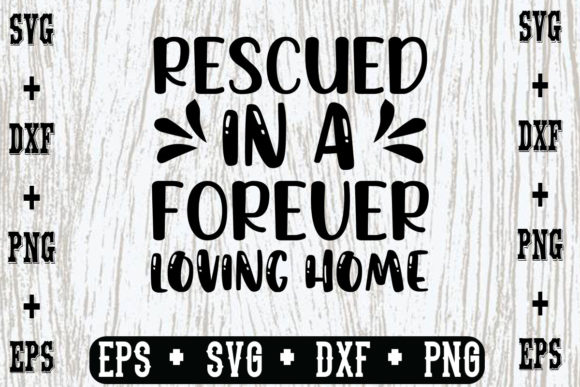
Rescued in a Forever Loving Home
A Designer’s First Look: Warm, Quiet, and Deeply Human
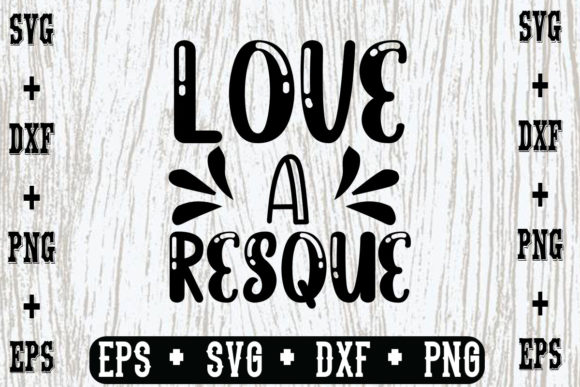
When I opened Rescued in a Forever Loving Home for the first time, what struck me wasn’t technical precision—it was emotional resonance. The design carries the gentle weight of gratitude and quiet devotion, not sentimentality. It’s built around clean, legible lettering with subtle organic flourishes—soft curves in the “R” and “L”, a tiny paw print tucked beneath the word “Home”. There’s no clutter, no cartoonish embellishment. That matters. As a designer who ships embroidered baby blankets to new pet parents and stitches custom tote bags for rescue org fundraisers, I need designs that feel intentional—not decorative filler.
This Is a Design That Lives on Fabric, Not Just Screens
I tested Rescued in a Forever Loving Home on a medium-weight cotton twill tote bag—my go-to for small shop merchandise. With proper tear-away stabilizer and 40-weight rayon thread, the satin-stitched outlines held beautifully, and the fill stitch areas remained breathable, not stiff. The phrase reads clearly at 3.5 inches wide—ideal for left-chest placement on sweatshirts or centered on pillow covers. It also scaled cleanly down to 2.25 inches for baby onesies without losing legibility, though I’d avoid going smaller than that unless using an applique design variation with simplified letterforms.
Where It Shines—and Where It Needs Careful Handling
Rescued in a Forever Loving Home works exceptionally well for:
- Custom apparel (sweatshirts, crewnecks, lightweight hoodies)
- Embroidered patches—especially when backed with iron-on adhesive for craft fair vendors
- Nursery decor: tea towels, blanket corners, and framed hoop art
- Personalized gifts like holiday stockings or wedding keepsake pillows for pet-loving couples
- Digital embroidery file bundles sold by Etsy sellers—its clean layout translates well into printable mockups
But here’s where attention is needed:
- Stretchy fabric: On knits like t-shirts or raglan sleeves, use cut-away stabilizer and reduce top tension slightly—the letter spacing is tight enough that puckering can blur the phrase’s warmth.
- Dark or textured fabrics: The design relies on contrast. On charcoal fleece or linen-look tea towels, test thread colors first. A soft heather gray or warm oatmeal thread often reads more thoughtfully than stark white.
- Curved surfaces: Avoid placing it fully across the front panel of structured caps—the slight curve distorts the baseline. Centered above the visor? Yes. Wrapping over the crown? Not ideal.
- Frequent-wash items: For kitchen towels or baby bibs, confirm stitch density isn’t overly dense in the inner curves—dense fill stitch + repeated laundering = potential fraying over time.
What This Design Says About Your Brand—Without Saying a Word
Using Rescued in a Forever Loving Home in your craft business quietly signals care, authenticity, and audience awareness. It doesn’t shout. It invites. Customers recognize that choice—it tells them you understand the emotional weight behind rescue, loyalty, and home. That builds trust faster than any sales copy. When stitched onto a handmade apron sold at a local boutique, it feels personal, not mass-produced. When used by an Etsy seller as part of a “Pet Parent Collection”, it strengthens brand consistency across embroidery files, digital prints, and packaging copy.
Practical Notes from My Hoop to Yours
Before stitching your first Rescued in a Forever Loving Home project:
- Always test on scrap fabric—especially if combining it with other elements (e.g., a small bone icon beside the text).
- Check thread color contrast in natural light, not just under your machine lamp. What looks crisp on screen may disappear on oatmeal linen.
- Review stitch density in your embroidery software—if the fill stitch appears overly compact in the lowercase “e” or “o”, adjust density to 75–80% for better drape.
- Confirm hoop size compatibility. The design fits comfortably in a 4×4 hoop at standard scale—but verify before loading if you’re working with older machines or specialty hoops.
- Inspect small details: The subtle tail of the “R” and curve of the “v” are delicate. If your machine skips stitches there, increase stabilizer layer count or slow speed slightly.
- Test black-and-white mockups to assess value contrast—this helps predict how it’ll read on dark fabric or in low-light settings like nursery walls.
- Use appropriate stabilizer: Tear-away for stable wovens, cut-away for knits or stretchy blends, and water-soluble for sheer layers like organza baby bonnets.
- Verify licensing before selling finished products or bundling the digital embroidery file—this design falls under Graphics, and commercial use terms vary by seller.
Final Thought: It’s Not Just a Phrase—It’s a Promise Stitched in Thread
Rescued in a Forever Loving Home succeeds because it meets makers where they are: balancing heart and craft, message and execution. It doesn’t try to be everything—it’s focused, tender, and technically sound enough to hold up in real-world embroidery projects. Whether you’re a solo hobbyist stitching gifts for friends, a small shop owner curating meaningful Crafts inventory, or an Etsy seller building a loyal customer base around thoughtful design assets, this embroidery file earns its place in your library. Just remember: its strength lies in restraint. Let the words breathe. Choose thread with intention. And always, always test first.