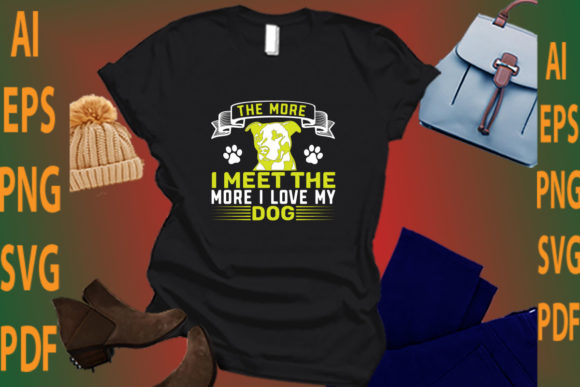
★★★★☆4.4(360 reviews)
The More Boys I Meet the More I Love My
Performance in Real-World Embroidery Situations
- Custom Apparel: The design works well on t-shirts, sweatshirts, and hoodies. Its readability ensures it remains legible even after multiple washes.
- Baby Embroidery: The design’s scale and detail level make it suitable for baby clothes, though care must be taken with smaller hoop sizes and thin fabrics.
- Embroidered Patch: The design can be adapted into a patch format, especially if the text is simplified or adjusted for smaller dimensions.
- Tea Towels and Kitchen Linens: The design’s clean lines and readable text make it a good match for these functional yet decorative items.
- Commercial Embroidery: With proper licensing, the design could be used in a commercial setting, such as boutique branding or retail products.
Design Considerations for Specific Applications
While the design is versatile, there are specific scenarios where it may require extra attention. For instance, using it on small hoop sizes might result in a loss of detail or clarity. Similarly, dark fabrics could reduce the visibility of the design unless the thread colors are carefully selected for contrast. Stretchy or textured fabrics may also pose challenges, as they can affect stitch placement and overall appearance. In such cases, using the right stabilizer becomes essential to maintain the design’s integrity during stitching. For curved surfaces like caps or hats, the design should be tested thoroughly to ensure it flows naturally and doesn’t distort. The same applies to layered garments, where overlapping layers can cause stitching issues or misalignment.Practical Designer Notes for Success
- Test on Scrap Fabric: Always test the design on a piece of scrap fabric to see how it looks and performs in practice.
- Check Thread Color Contrast: Ensure the thread colors provide sufficient contrast against the chosen fabric background.
- Review Stitch Density: Adjust the stitch density if necessary to maintain clarity and avoid overcrowding the design.
- Confirm Hoop Size: Make sure the hoop size is appropriate for the design’s scale and complexity.
- Inspect Small Details: Pay close attention to tiny lettering and decorative accents to ensure they remain visible and intact.
- Test in Black and White Mockups: This helps identify any potential issues with contrast and legibility.
- Compare Light and Dark Fabrics: Test the design on both light and dark backgrounds to ensure it looks good in all contexts.
- Use Proper Stabilizer: Choose the right stabilizer type based on the fabric and design requirements.
- Check Licensing Terms: If planning to sell finished items or digital products, confirm the licensing terms before proceeding.
⬇️ Download Free
Free download · No sign-up required
🔗 You Might Also Like
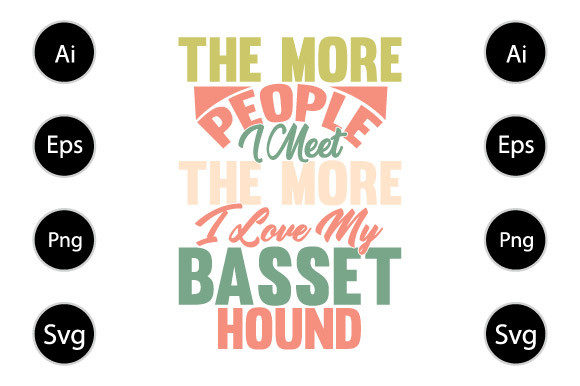
Crafts
As a designer who’s stitched hundreds of pet-themed embroidery files for Etsy sh...
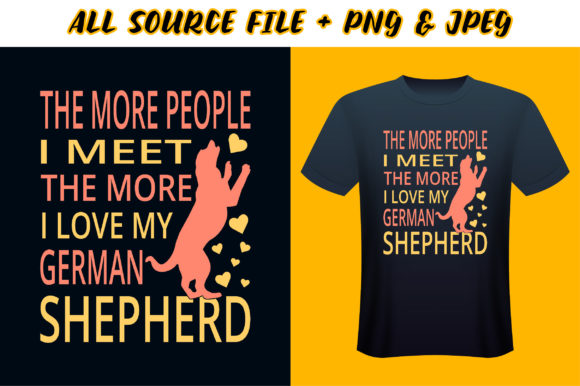
Crafts
A Warm, Witty Stitch That Fits Real Life — Not Just the Screen I pulled up The M...
Crafts
A Designer’s First Look: Bold, Playful, and Unapologetically Dog-Centric When I ...
Crafts
First Impressions: Warm, Clear, and Quietly Confident Love a Resque lands with g...
Crafts
As someone who’s stitched hundreds of designs across apparel, home goods, and bo...
