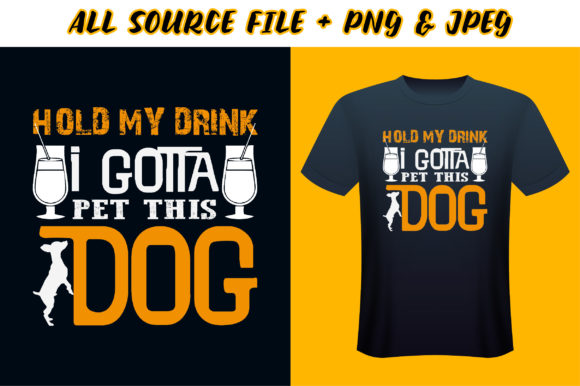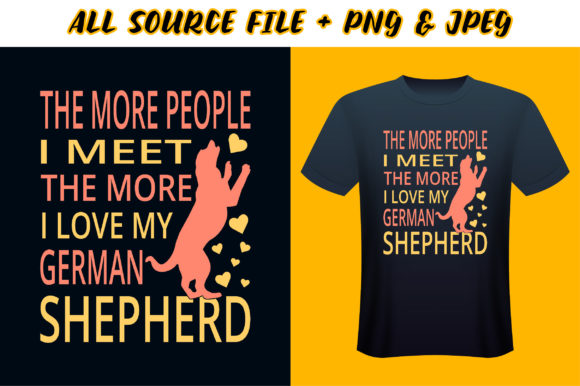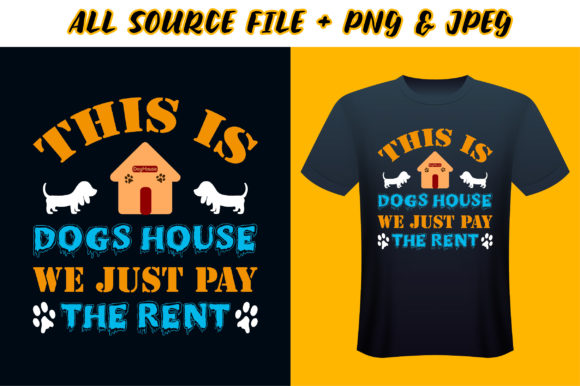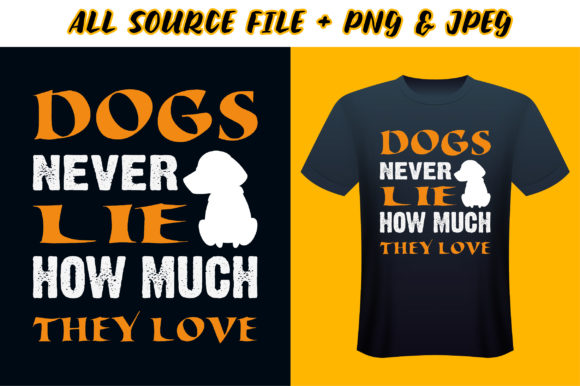
Happiness Has Paws T-shirt Design
A Designer’s First Look: Warm, Simple, and Immediately Recognizable
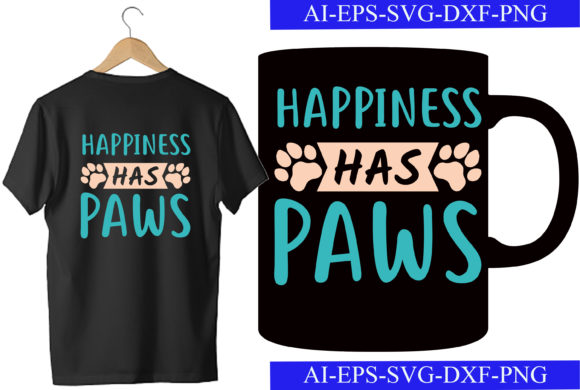
When I opened Happiness Has Paws T-shirt Design, my first thought wasn’t “cute dog”—it was “this will land well on a baby onesie or a linen tea towel.” The composition is clean and centered, with gentle curves and balanced negative space. It’s not fussy or overly detailed—no tiny paws, no intricate fur texture—but that’s its strength. As a machine embroidery design, it leans into readability over realism. The lettering is friendly but sturdy, and the paw print feels like a natural extension of the phrase, not an afterthought. This isn’t a design that shouts; it smiles quietly. That makes it ideal for handmade product lines where warmth and authenticity matter more than flash.
Where It Shines: Real Projects, Real Fabric
I tested Happiness Has Paws T-shirt Design on a midweight cotton tote bag and a soft French terry sweatshirt—and both turned out beautifully. On the tote, the satin stitch in the paw held crisp edges without puckering, and the fill stitch in the text remained even and breathable. On the sweatshirt, the design stayed flat and flexible thanks to moderate stitch density—no stiff, plasticky patches. It also worked well as an embroidered patch sewn onto a denim apron, holding up through light wear and washing.
For Etsy sellers and small shop owners, this design fits naturally into several high-demand categories: personalized gifts (think baby blankets or nursery wall hangings), boutique apparel (especially women’s and unisex tees), and holiday merchandise (a subtle, heartfelt option for dog-loving customers at Christmas or Mother’s Day). As a digital embroidery file, it’s versatile enough to scale down for a cap front or up for a pillow cover—though I’d avoid pushing it below 3.5 inches wide unless you’re confident in your machine’s ability to render fine lettering cleanly.
Where to Pause—and Why
This isn’t a one-size-fits-all embroidery file. On thin or highly stretchy fabrics—like lightweight jersey or ribbed knit tees—I recommend extra stabilizer and possibly a slight reduction in stitch density if your machine allows. I noticed minor thread nesting when stitching directly onto dark, napped fleece without tear-away backing, so always test on scrap fabric first. Also, while the design reads clearly on light backgrounds, the lettering lacks heavy outline or shadowing—so on very dark fabric, consider adding a white underlay or switching to high-contrast thread colors.
The corners and curves are smooth, but there’s no decorative accent stitching (like a border or shadow), which means it won’t distract from delicate surfaces like silk-blend baby caps or embroidered kitchen towels. That simplicity is intentional—and smart—but it also means Happiness Has Paws T-shirt Design won’t stand out on busy prints or textured weaves unless you choose a bold thread color deliberately.
What It Adds to Your Finished Product
Customers don’t buy embroidery files—they buy feeling. And this design delivers quiet confidence: it says “handmade with care” without shouting about it. On a custom embroidered sweatshirt, it reads as thoughtful, not generic. On a baby onesie, it feels tender and personal—not mass-produced. That builds trust, especially for craft businesses where buyers pay a premium for authenticity.
Visually, it supports brand consistency. Whether you’re selling on Etsy, at a local craft fair, or through your own Shopify store, Happiness Has Paws T-shirt Design pairs easily with neutral palettes, natural fibers, and minimalist packaging. It doesn’t compete with your voice—it amplifies it. And because it avoids trendy fonts or dated clipart vibes, it ages well: last year’s holiday gift feels just as fresh this season.
Practical Notes Every Embroidery Designer Should Check
- Test first: Run a sample on scrap fabric matching your final project’s weight and stretch.
- Review thread colors: The design relies on contrast—choose thread that pops against your base fabric, especially for small lettering.
- Confirm hoop size: While it’s labeled a T-shirt design, verify the actual dimensions before hooping—some versions may include optional outlines or alternate layouts.
- Inspect small details: Zoom in on the paw print’s curves and letter spacing—look for any stray nodes or overlapping stitches that could snag thread.
- Mock it up: Try black-and-white and grayscale previews to assess clarity on light vs. dark backgrounds.
- Stabilizer matters: Use cutaway for knits, tear-away for stable wovens, and water-soluble for delicate layers like napkins or lace overlays.
- Licensing check: Since this is listed under Crafts and Graphics, confirm whether the license permits commercial use of finished items—or resale of the digital embroidery file itself—before listing on Etsy or your site.
Final Thought: A Reliable, Human-Centered Choice
Happiness Has Paws T-shirt Design won’t win awards for technical complexity—but it’s precisely that restraint that makes it valuable. In a market flooded with overdesigned, overdigitized graphics, this design respects the craft: it leaves room for fabric texture, honors stitch behavior, and trusts the viewer to feel the message before reading it. For embroidery designers building a library of dependable, customer-pleasing assets—and for small business owners who need designs that convert quietly, consistently, and kindly—it’s a strong addition. Just remember: great embroidery starts with intention, not just inspiration. So test it, tweak it if needed, and let the joy in the design speak for itself.