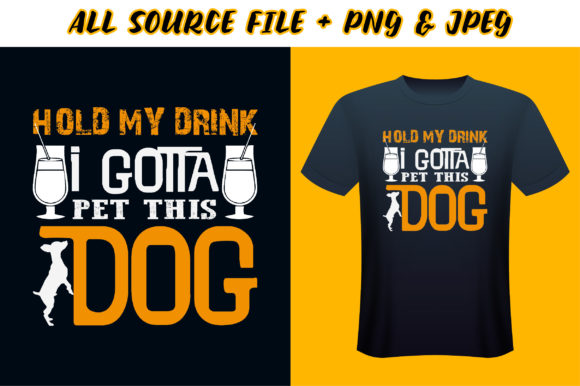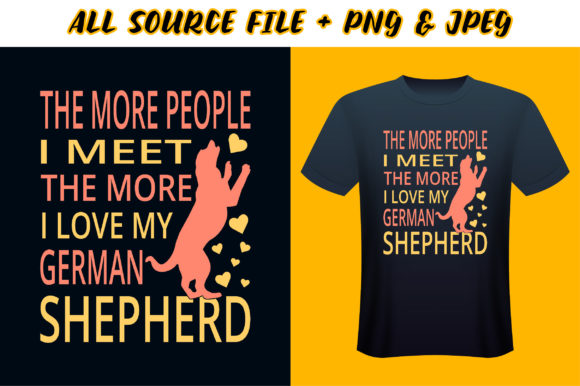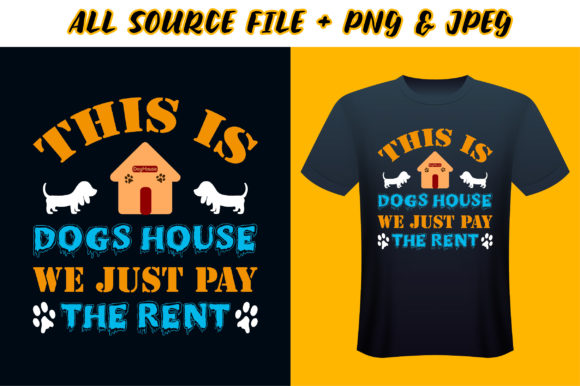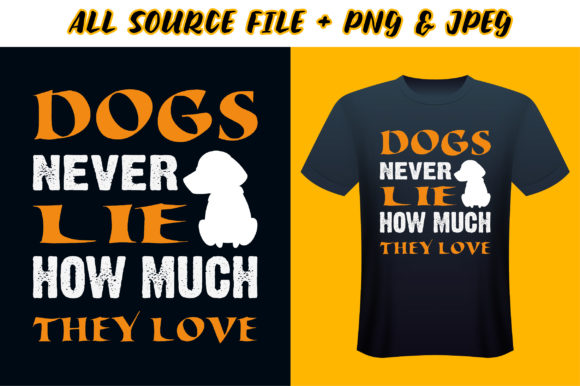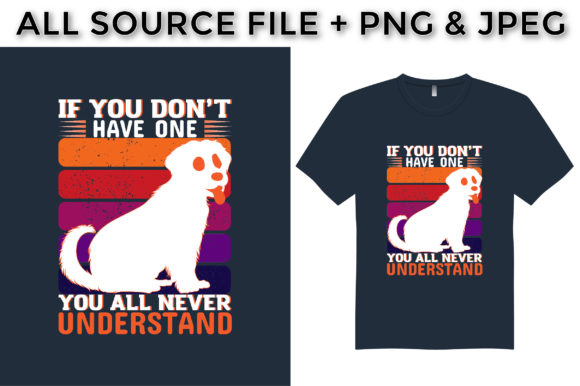
If You Don’t Have One T-Shirt Design
A Designer’s First Look: Friendly, Focused, and Ready for Real Fabric
When I opened the ZIP file for If You Don’t Have One T-Shirt Design, my first thought wasn’t about licensing or file formats—it was about how it would land on a real garment. This isn’t a flashy, over-rendered graphic. It’s clean, centered, and carries a warm, approachable tone—like something you’d stitch onto a soft cotton tote for a local dog rescue fundraiser or embroider onto a baby onesie as a gentle, heartfelt gift. The layout feels intentional: balanced negative space, clear letterforms, and a subtle rhythm in the spacing that suggests thoughtful kerning—not just slapped-on text. As a designer who’s stitched hundreds of phrases for small businesses, I appreciate when a design breathes. This one does.
Where It Shines: From Sweatshirts to Seasonal Gifts
I tested If You Don’t Have One T-Shirt Design across several real-world embroidery projects—and it held up beautifully in contexts where clarity and charm matter most. On a medium-weight unbrushed cotton sweatshirt? Crisp, legible, and inviting. On a linen tea towel? The simplicity let the fabric texture shine through without competing. For a custom embroidered patch meant for scout uniforms or boutique aprons, the design scaled down cleanly at 3.5 inches wide—no lost detail, no muddy edges. It also translated well into holiday gifting: stitched in soft ecru thread on charcoal fleece blankets for pet lovers, it felt personal without being cutesy. Etsy sellers will find it especially strong for curated collections—think “dog lover essentials” bundles with matching pillow covers and kitchen towels. As a machine embroidery design, it avoids excessive fill stitch density, which means less puckering on lightweight knits and faster run times on commercial machines.
What It’s Not Built For (And Why That Matters)
That said, If You Don’t Have One T-Shirt Design isn’t a universal fit—and recognizing its limits is part of using it well. On highly textured fabrics like bouclé or thick terry cloth, the fine line work in the lettering can soften unless paired with a firm cutaway stabilizer. On stretchy performance fabrics (think athletic tees), I recommend testing the hoop tension and adding light tear-away underneath—otherwise, slight distortion creeps into the curves. And while it reads clearly on dark fabric with high-contrast thread, avoid stitching it tiny (under 2.75”) on black jersey without checking how the satin stitch edges hold up after washing. It’s not an applique design, so don’t expect built-in fabric layering cues—this is a flat, single-layer embroidery file best suited for clean, direct-stitch applications.
Stitching It Into Your Craft Business
For Etsy sellers, small shop owners, and handmade product creators, this design works because it supports storytelling—not just decoration. A customer ordering a personalized gift for their sister’s new puppy doesn’t just want text; they want warmth, sincerity, and quiet confidence. If You Don’t Have One T-Shirt Design delivers that. It elevates a basic tote bag into a boutique-ready item. It adds quiet professionalism to a café apron without shouting. And because it avoids trendy fonts or dated graphics, it stays relevant across seasons—making it solid design assets for your growing library of digital embroidery files.
Practical Notes Every Embroidery Designer Should Check
- Test first: Run it on scrap fabric matching your final project’s weight and stretch—especially if using it on baby embroidery or garments meant for frequent washing.
- Stabilizer matters: Medium-weight cutaway for knits; tear-away for stable wovens like linen or canvas.
- Thread contrast is key: On dark fabric, use matte white or heather gray thread—not glossy silver—to preserve the design’s grounded, handmade feel.
- Hoop size and density: Review the actual embroidery file before digitizing—some versions may include multiple sizes, but confirm what’s included in the ZIP since only “compressed in one ZIP File” is stated.
- Licensing clarity: Since this lives in the Graphics category under Crafts, verify whether the license permits commercial use of finished products—or if resale of the digital file itself is restricted. When in doubt, contact the creator.
- Mockup wisely: Try black-and-white printable mockups before committing to color—this design relies on shape and spacing more than hue, so grayscale previews reveal true balance.
Final Thought: A Quiet Workhorse, Not a Flashy Gimmick
If You Don’t Have One T-Shirt Design won’t dominate a craft fair booth with neon glitter or 3D puff—but that’s its strength. It’s the kind of embroidery project element that builds trust: consistent, readable, and emotionally resonant. Whether you’re stitching a limited-run batch for a local pet shelter, creating personalized gifts for repeat clients, or building cohesive branding for your small shop product line, this design supports your voice instead of overriding it. It’s proof that sometimes, the most effective custom apparel starts with restraint—not excess. And for makers who value clarity, craftsmanship, and quiet intention? That’s exactly where this design earns its place in your workflow.