Paw Print and Bone: A Designer’s Real-World Embroidery Review
First Impression: Simple, Sweet, and Surprisingly Versatile
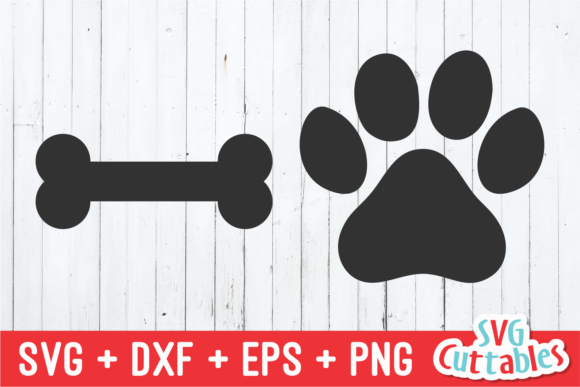
When I opened the Paw Print and Bone file for the first time, I wasn’t expecting much—just another pet-themed graphic. But what stood out immediately was its clean silhouette and intentional negative space. It’s not overly detailed or fussy; instead, it leans into confident shape-making. The paw print sits just above the bone with gentle proportion and balanced weight—no awkward stretching, no cramped corners. That simplicity is a gift for embroidery. It means fewer stitch complications, better readability at small scales, and stronger visual impact on real fabric.
Real Project Test: Embroidering a Soft Cotton Tote for a Local Dog Rescue Pop-Up
Last week, I used Paw Print and Bone to embroider a set of 14” cotton tote bags for a dog rescue’s holiday fundraiser. We chose light natural canvas—not super thick, but tightly woven—and opted for a medium-weight cutaway stabilizer. The design stitched cleanly at about 3.5” wide, centered on the front panel. What surprised me was how well the curves held up: no puckering around the paw pad indentations, no thread nesting in the bone’s tapered ends. Customers loved the subtle charm—it read as handmade, not mass-produced. One volunteer even said, “It looks like something my grandma would’ve stitched.” That’s high praise in the craft world.
Where Paw Print and Bone Shines
- Custom apparel: Works beautifully on sweatshirts and crewnecks—especially when placed on the left chest or sleeve cuff. The open shape avoids heavy fill stitch density, so it doesn’t stiffen the fabric.
- Baby embroidery: Gentle enough for onesies and burp cloths. No sharp points or tiny interior details that could snag or irritate sensitive skin.
- Embroidered patches: Clean edges mean crisp heat-applied or sew-on results. Holds up well after washing and ironing.
- Holiday and boutique merchandise: Fits seamlessly into seasonal collections—think “Adopted with Love” tea towels or “Paws & Joy” pillow covers. It reads warm, inclusive, and quietly professional.
- Etsy listings and digital product previews: Looks great in printable mockups. Renders clearly in both black-and-white line art and full-color stitch simulations.
Where to Proceed Thoughtfully
Paw Print and Bone isn’t magic—it still needs smart execution. Here’s where attention matters:
- Small hoop sizes (under 4”): You’ll want to scale carefully. At 2.5”, the bone’s narrowest point starts to lose definition. Always test stitch before committing to a batch.
- Textured or stretchy fabrics: On terry cloth towels or ribbed knit caps, use a tear-away + topping combo. The design’s smooth outline helps, but texture can blur fine contours if stabilizing is light.
- Dark fabric backgrounds: White or light thread pops nicely—but avoid ultra-thin 40-weight rayon here. Go for 30-weight polyester or cotton for coverage without bulk.
- Curved surfaces (like baseball caps): The bone’s straighter edge adapts more easily than complex shapes, but center placement is key. Avoid stitching too close to the cap’s front seam.
- Frequent-wash items (baby clothes, kitchen linens): Confirm your stitch density isn’t too sparse—fill areas should be dense enough to prevent fraying over time, especially along the outer paw outline.
Design Judgment: What This Says About Your Brand and Craft
Using Paw Print and Bone sends quiet signals to your customers: you value clarity over clutter, warmth over trend-chasing, and craftsmanship over speed. It doesn’t scream “look at me”—it invites a second glance, then a smile. That kind of resonance builds trust, especially for handmade product buyers who care about authenticity. For Etsy sellers and small shop owners, it’s a low-risk, high-return design asset—easy to pair with custom names or coordinating fonts, adaptable across seasons, and instantly recognizable as pet-friendly without being kitschy.
Practical Notes Every Embroidery Designer Should Check
Before adding Paw Print and Bone to your next project—or listing it as part of a commercial embroidery file bundle—run through these quick checks:
- Test stitch on scrap fabric matching your final project’s weight and weave.
- Compare thread color contrast on both light and dark fabric swatches—especially if offering multi-background options.
- Review stitch density visually in your embroidery software. Look for gaps in satin-stitched edges or overly tight fill zones.
- Confirm hoop size compatibility. If scaling down, double-check that the smallest curve (like the paw pad) stays legible post-stitch.
- Inspect corners and interior angles—no floating stitches or under-trimmed jump threads.
- Use proper stabilizer for your fabric type. Cutaway for knits, tear-away for stable wovens, and topping for napped surfaces.
- Verify licensing terms before selling finished embroidered goods or reselling the digital embroidery file. Since this is listed as a Graphics product in the Crafts category, confirm whether personal or commercial use is permitted.
Final Thought: Not Just Another Paw Design
There are dozens of paw prints online. Most fade into background noise—too busy, too thin, too generic. Paw Print and Bone stands apart because it respects the limits and strengths of machine embroidery. It’s designed *for* the needle, not just the screen. Whether you’re stitching a single personalized gift or producing 50 tote bags for a local shelter, it delivers consistent, confident results. And in a market flooded with digital embroidery files, that reliability is worth more than novelty. It’s the kind of design that makes your work look intentional, cared-for, and quietly expert—exactly what your customers come to you for.