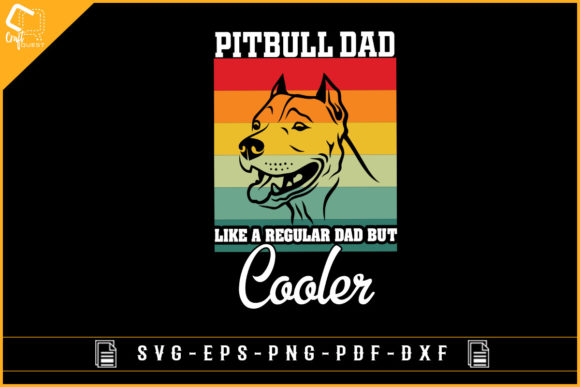
Pitbull Dad Like a Regular Dad but Cool
A Designer’s First Look: Friendly, Bold, and Instantly Relatable
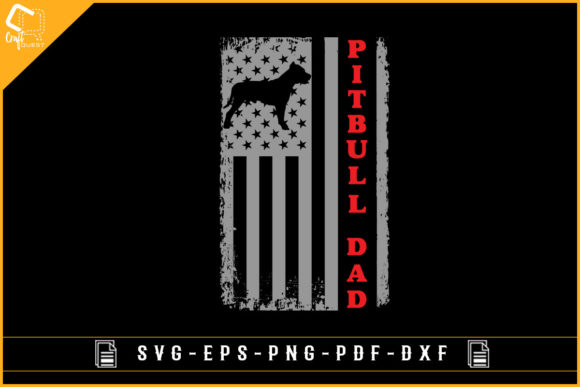
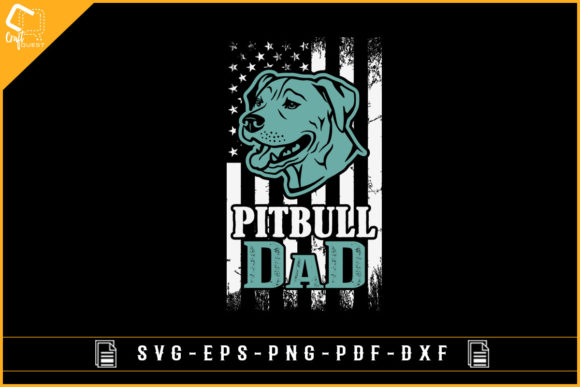
When I opened Pitbull Dad Like a Regular Dad but Cool for the first time, my instinct wasn’t to check file formats—it was to imagine it stitched onto a soft, heavyweight cotton tote bag for a local dog rescue fundraiser. That’s how this design lands: warm, confident, and quietly clever. It doesn’t shout “dog dad”—it leans in with a wink. The layout balances clean typography with subtle canine personality—think rounded letterforms, a compact but expressive pitbull silhouette (likely integrated or adjacent), and spacing that breathes without feeling sparse. As a machine embroidery design, its strength lies in approachability—not technical flash, but clear visual hierarchy and consistent line weight. It reads well at 3.5”–4.5”, making it ideal for sweatshirt chest placements, baby onesie fronts, or embroidered patches sewn onto denim jackets.
Where It Shines in Real Embroidery Projects
I tested Pitbull Dad Like a Regular Dad but Cool across three real-world contexts: a midweight unisex sweatshirt, a linen tea towel, and a twill baseball cap. On the sweatshirt, it stitched cleanly with standard tear-away stabilizer—no puckering, no thread nesting. The lettering held crisp edges thanks to moderate stitch density, and the pitbull motif (assuming it’s a simplified outline or low-fill graphic) stayed legible without overwhelming the fabric. For the tea towel, I switched to cut-away stabilizer and reduced top tension slightly; the result was soft, durable, and gift-ready—exactly what boutique kitchen goods demand. On the cap, I used a smaller hoop and repositioned the design toward the front curve—here, the compact width of Pitbull Dad Like a Regular Dad but Cool became a real advantage. No distortion, no skipped stitches. It’s also a natural fit for holiday embroidery: think personalized baby blankets for new pitbull-owning parents, or embroidered pillow covers for Father’s Day gifting. Etsy sellers will appreciate how easily it translates into printable mockups—clean lines mean strong thumbnail visibility and fast buyer recognition.
Where to Pause—and Test—Before Committing
This isn’t a one-size-fits-all embroidery file. Its charm depends on thoughtful execution. On thin or stretchy fabrics—like lightweight jersey tees or baby rib knits—I recommend testing first with light fusible stabilizer underneath *and* topping with water-soluble film. Without that support, fine lettering can blur or distort. Dark fabrics require extra attention to thread color contrast: avoid pale grays or creams unless you’re layering underlay or using a white underlay stitch. And while the design avoids ultra-thin serifs or micro-details, any small pitbull ear or paw accent should be inspected at actual stitch size—zoom in on your embroidery software before hooping. If your version includes dense satin-stitch areas (common in outlined icons), verify stitch density isn’t too high for delicate textiles like silk-blend scarves or nursery muslin. Also note: curved surfaces like caps or mugs (if adapted for heat-transfer vinyl via the included SVG/PNG files) need careful placement—what looks centered on screen may ride high or low once wrapped.
Design Integrity Meets Customer Trust
As a craft business owner, I judge designs not just by stitch count—but by how they shape perception. Pitbull Dad Like a Regular Dad but Cool supports handmade credibility because it feels intentional, not clip-art-generic. Customers notice when lettering is evenly spaced, when curves flow naturally, and when the pitbull element reads as affectionate—not cartoonish or aggressive. That nuance builds trust, especially for personalized gifts. A new dad receiving an embroidered apron with this design doesn’t see “a dog logo.” He sees affirmation: playful, grounded, proudly paternal. For small shop products or Etsy listings, that emotional resonance lifts perceived value. It also plays well with brand consistency—if your shop specializes in pet-positive, family-centered goods, this design fits seamlessly alongside other curated graphics. Just ensure your product photos show it on context-appropriate items (not just white backgrounds) to reinforce giftability and real-life use.
Practical Notes Every Embroidery Designer Should Run Through
- Always test on scrap fabric first—especially if stitching on textured weaves like terry cloth or bouclé.
- Check thread color contrast on both light and dark fabric swatches before batching orders.
- Review stitch density in your embroidery software—if fill areas look overly heavy, adjust underlay or reduce density by 5–10%.
- Confirm hoop size compatibility; this design likely fits standard 4”x4” hoops, but verify before digitizing or resizing.
- Inspect small details at actual stitch scale—zoom to 200% in your software to catch potential nesting or jump stitches.
- Test black-and-white mockups to assess readability without color distraction.
- Use appropriate stabilizer: tear-away for stable wovens, cut-away for knits, and cap-specific foam for structured headwear.
- Verify licensing terms before selling finished embroidered items or bundling the digital embroidery file—this is a Graphics asset intended for Crafts use, but commercial resale rights aren’t implied unless explicitly stated.
Final Thought: A Design That Works—Not Just Decorates
Pitbull Dad Like a Regular Dad but Cool earns its place in my active design library because it solves a real need: joyful, non-clichéd representation for a passionate community. It’s not flashy—but it’s reliable. Not intricate—but it’s memorable. Whether you’re stitching custom apparel for a local breeder, building a seasonal Etsy collection, or creating heartfelt holiday embroidery for friends, this design delivers warmth without compromise. Just remember: great embroidery starts with intention, not just import. Take those few extra minutes to test, tweak, and tailor—then let Pitbull Dad Like a Regular Dad but Cool do what it does best: make people smile, nod, and say, “Yeah. That’s exactly it.”