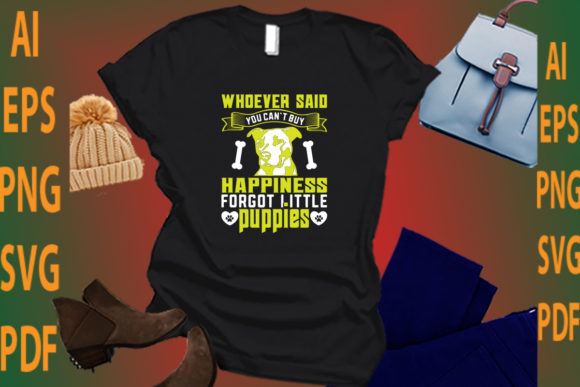
Whoever Said You Can’t Buy Happiness For
A Designer’s Take on a Bold Embroidery Design
As an experienced designer and embroidery product reviewer, I approach every digital download with the same mindset: what will this design look like when stitched? How does it perform in real-world applications? And most importantly, is it worth using in a finished product or selling as part of a craft business?
First Impressions: Mood and Visual Personality
The design Whoever Said You Can’t Buy Happiness For immediately grabs attention with its bold text and playful tone. The phrase itself is a strong statement, and the visual layout supports that energy. The font choice is clean and modern, with a slight stylized edge that suggests it’s meant for a younger, more contemporary audience.
The layout is centered, with the main text taking up most of the space. There’s a subtle background texture that adds depth without overwhelming the message. This makes the design feel both professional and approachable. It’s not too busy, but it still has enough detail to be visually engaging.
Real-Life Use Case: Custom Tote Bag Embroidery
I recently considered using Whoever Said You Can’t Buy Happiness For for a custom tote bag project. The phrase fits well on a large canvas, and the simplicity of the design allows it to stand out without being cluttered. However, I also thought about how it would translate into smaller formats.
On a tote bag, the design works beautifully. The text is large enough to read from a distance, and the overall aesthetic is upbeat and positive. It could easily become a signature item for a small shop or Etsy store looking to offer something unique yet relatable.
Performance in Real Embroidery Situations
Whoever Said You Can’t Buy Happiness For performs well on standard fabric types, especially cotton and linen. The stitch density is balanced, allowing for clear outlines and solid fills without being too dense or too sparse. That said, there are some considerations to keep in mind.
- Small Hoop Sizes: The design may not fit well in very small hoops, especially if the text is too large. Testing on scrap fabric is essential before committing to a full project.
- Dark Fabrics: While the design looks great on light-colored fabrics, it may lose some contrast on darker backgrounds. A white stabilizer can help, but it’s worth testing in black and white mockups first.
- Stretchy or Textured Fabrics: The design holds up reasonably well on stretchy materials like denim, but it might require additional stabilizer to prevent distortion during stitching.
- Curved Surfaces: The text is linear, so it doesn’t translate well onto curved surfaces like caps or hats. It’s better suited for flat items like t-shirts, tote bags, or aprons.
Design Considerations for Different Projects
Whoever Said You Can’t Buy Happiness For is versatile enough to work across multiple projects, but not all use cases are equally ideal. Here are a few scenarios where it shines:
- Custom Apparel: Perfect for t-shirts, sweatshirts, and hoodies. The text is legible and impactful.
- Baby Embroidery: Could work on baby clothes, but the text size might be too large for smaller garments. Scaling down would be necessary.
- Holiday Embroidery: A great option for seasonal gifts, especially around events like birthdays or holidays where positivity is key.
- Commercial Embroidery: Suitable for small businesses or boutiques looking to add a personalized touch to their products.
- Personalized Gifts: Ideal for custom patches, pillow covers, and tea towels. The design feels personal and meaningful.
Practical Designer Notes
Before using Whoever Said You Can’t Buy Happiness For, I recommend a few practical steps:
- Test on Scrap Fabric: Always check the design on a small piece of fabric to ensure it stitches cleanly and looks as expected.
- Check Thread Color Contrast: Ensure the thread colors provide enough contrast against the fabric to maintain clarity.
- Review Stitch Density: Confirm that the stitch density is appropriate for the intended use and fabric type.
- Confirm Hoop Size: Make sure the design fits within your hoop dimensions to avoid issues during stitching.
- Use Proper Stabilizer: Especially on dark or textured fabrics, a good stabilizer can make a big difference in the final result.
- Consider Licensing: If you plan to sell finished products, confirm the licensing terms to avoid any legal issues.
Final Thoughts on Whoever Said You Can’t Buy Happiness For
Whoever Said You Can’t Buy Happiness For is a solid choice for designers looking to create a positive, eye-catching message through embroidery. Its clean design and strong theme make it suitable for a variety of projects, from custom apparel to personalized gifts.
However, it’s important to consider the specific needs of each project. Whether you’re making a holiday gift, a boutique product, or a handmade item for sale, always test the design thoroughly and adjust as needed. With the right preparation, Whoever Said You Can’t Buy Happiness For can be a valuable asset to your embroidery business or creative portfolio.